As we step into 2026, many of us are looking for ways to improve our health, save more money, and live more sustainably. One of the most impactful changes you can make starts right at your kitchen tap.
Whether you are looking to ensure you and your family are drinking the purest water possible or protect your home’s plumbing, here are five ways to be better with your water this year. To keep you healthier, save more money, and invest the greatest resource at your fingertips.
1. Get Your Water Tested
You can’t fix what you haven’t identified. Long Island’s groundwater system is complex, and contaminants, ranging from nitrates to volatile organic compounds (VOCs), can vary significantly from town to town.
Before you invest in any system, you need a baseline. Simply Pure offers a free water test (covering hardness and common contaminants) for homeowners considering a system purchase. If you have specific concerns about local health advisories, we also provide paid, comprehensive tests for specific contaminants. Start the year with the peace of mind that comes from knowing exactly what is in your glass.
2. Stop Drinking Bottled Water
For years, bottled water was seen as the “safe” alternative to the tap. However, in 2026, we are more aware than ever of the downsides: the presence of PFAS (forever chemicals) leaching from plastic, the massive environmental footprint of single-use bottles, and the sheer cost.
By switching to a home filtration strategy, you eliminate the need to haul heavy cases of water from the store and significantly reduce your household’s plastic waste.
- Keep Your Water Bill Low
Sustainability and savings go hand-in-hand. You don’t always need a major renovation to see a difference in your monthly utility bill. Small, intentional changes add up quickly:
- Low-Flow Upgrades: Install low-flow showerheads and toilets to reduce volume without sacrificing pressure.
- Smart Habits: Turn off the faucet while brushing your teeth and only run the dishwasher or laundry when you have a full load.
- Leak Detection: A single dripping faucet can waste hundreds of gallons a month.
These “little things” help the environment and keep your hard-earned money in your pocket.
4. Install a Reverse Osmosis System
While your tap is the most convenient water source, Long Island water quality issues mean that “raw” tap water isn’t always ideal for drinking. A Reverse Osmosis (RO) system is the gold standard for home purification, stripping away up to 99% of impurities to provide the healthiest, best-tasting water available.
If you already have an RO system, make 2026 the year you stay on top of maintenance. Filters eventually become saturated; scheduling a professional filter change ensures your system continues to provide the high-level protection it was designed for.
5. Install a Water Softening System
Long Island water is notoriously “hard,” typically measuring between 7 to 12 grains per gallon (gpg). This is caused by high concentrations of dissolved calcium and magnesium minerals. In essence, these minerals create a “hard” environment that interferes with everything from soap lathering to appliance efficiency.
By installing a water softening system that utilizes ion exchange, you replace these “hard” ions with “soft” sodium ions. The benefits for your Long Island home are immediate:
- Better Taste: Softened water removes the metallic or “chalky” edge from your water.
- Personal Care: Enjoy noticeably less dry skin and hair after showering.
- Appliance Longevity: By removing mineral deposits, you reduce the load on your water heater, dishwasher, and washing machine.
- Cleaner Surfaces: Say goodbye to that stubborn white residue on your sinks, drains, and glass shower doors.
Simply PURE Whole House Water Softening
Installing Simply PURE Whole-House Water Softening or a Reverse Osmosis system in your Long Island home can truly transform your daily life. These innovative systems effectively tackle the detrimental effects of hard water, addressing concerns related to skin and hair health, removing contaminants, and improving overall water quality.
By opting for these cutting-edge systems, you can create a more comfortable and efficient living environment, offering a comprehensive solution to the challenges posed by hard water. Contact us today and ask about our free water quality analysis to get started.
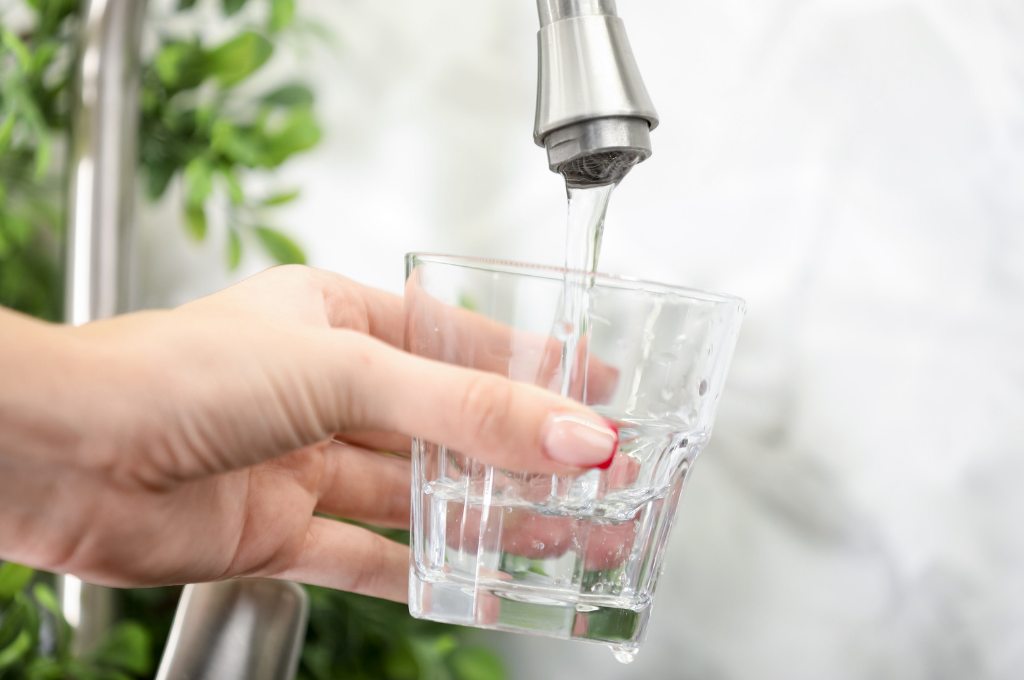
About Simply PURE Water Filtration Services
Living in and serving the Long Island community, we strive to make sure everyone has access to clean, healthy water. We have the experience, knowledge, and industry-leading technology to provide clean water solutions for water impurities, contaminants, hard water, bad tasting/odors, well water, acidity & pH regulations.
Proud members of the WQA (Water Quality Association), and the EWQA (Eastern Water Quality Association), we adhere to strict guidelines and the WQA code of ethics. As a Pentair True Blue Partner and Authorized Distributor of Pentair Products, there’s nothing comparable to the performance, and efficiency of our whole house purification systems, water softeners, neutralizers, whole-house filters, and alkaline reverse osmosis systems for drinking in the convenience of your home.
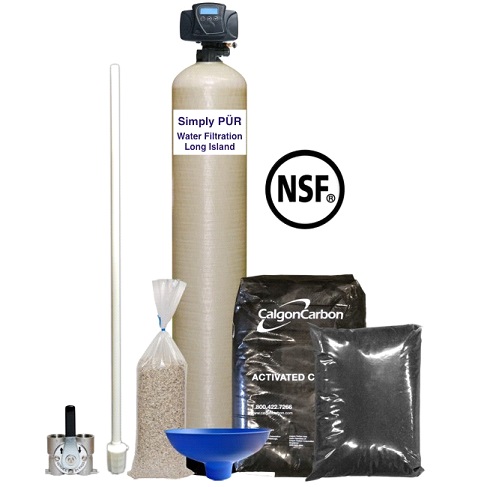
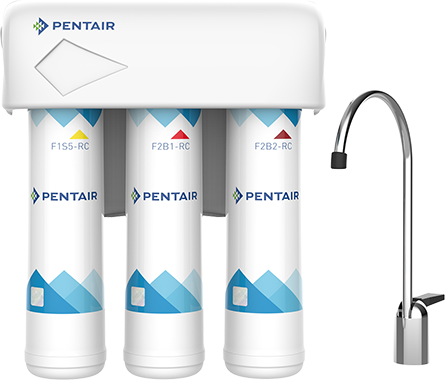
Our products are all NSF / ANSI certified, meeting the highest safety standards and quality performance. Providing our community with only the best experience of high quality water that’s Simply PURE from our family to yours!
Simply PURE utilizes accurate testing methods before and after system installation, as well as annual maintenance of all your water treatment equipment. Our Revolutionary Custom Built Water Treatment systems upon the completion of a Free In-Home Water Analysis, or an in-depth Comprehensive Water Analysis of your choice sent to our Certified Laboratory.