Investing in a water treatment system protects your Long Island home’s health, plumbing, and appliances, but keeping it working effectively requires routine maintenance.
Because Long Island relies entirely on a sole-source aquifer system, local groundwater conditions, including elevated total dissolved solids (TDS), mineral hardness, iron, and persistent contaminants like PFAS, put unique wear and tear on home filtration systems. Delaying replacement leads to pressure drops, damaged equipment, and re-exposure to contaminants.
Use this simple schedule to keep your water pure.
Whole-Home Sediment & Carbon Filters: Replacement Timeline
Standard Replacement Frequency: Every 6 to 12 Months
For standard whole-house cartridge systems (such as Big Blue style housings or inline sediment tanks), filters should generally be replaced every 6 to 12 months, or as soon as a noticeable drop in household water pressure occurs.
Signs It’s Time to Change Your Whole-Home Filter
- A noticeable drop in household water pressure at faucets or showerheads.
- Slower fill rates for bathtubs, washing machines, or dishwashers.
- Dark brown, orange, or grey discoloration visible in clear sediment filter housings.
Why Long Island Conditions Matter
- Sediment/Pre-Filters: Long Island’s sandy soil and aging municipal distribution infrastructure mean higher levels of rust, silt, and pipe debris in tap water. These particles prematurely clog 5-micron and 20-micron pre-filters, forcing them to work harder to protect downstream equipment.
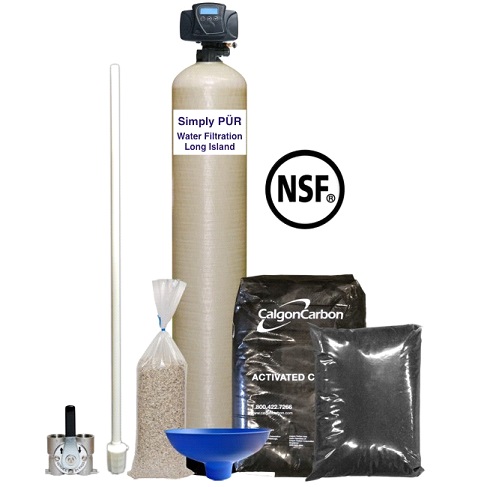
- Whole-House Carbon Media: Whole-house activated carbon cartridges and tanks absorb chlorine, chloramines, volatile organic compounds (VOCs), and organic tastes or odors. Because local municipal water authorities vary chlorine dosing seasonally to manage bacteria in the mains, carbon media can exhaust its absorption capacity faster during peak months.
According to guidelines from the U.S. Environmental Protection Agency (EPA) and the Water Quality Association (WQA), maintaining whole-house pre-treatment is essential for extending the operational lifespan of all downstream plumbing and secondary filtration units. For comprehensive protection, consider pairing routine filter care with Simply PURE Whole House Filtration systems.
Reverse Osmosis (RO) Drinking Water Systems: Stage-by-Stage Schedule
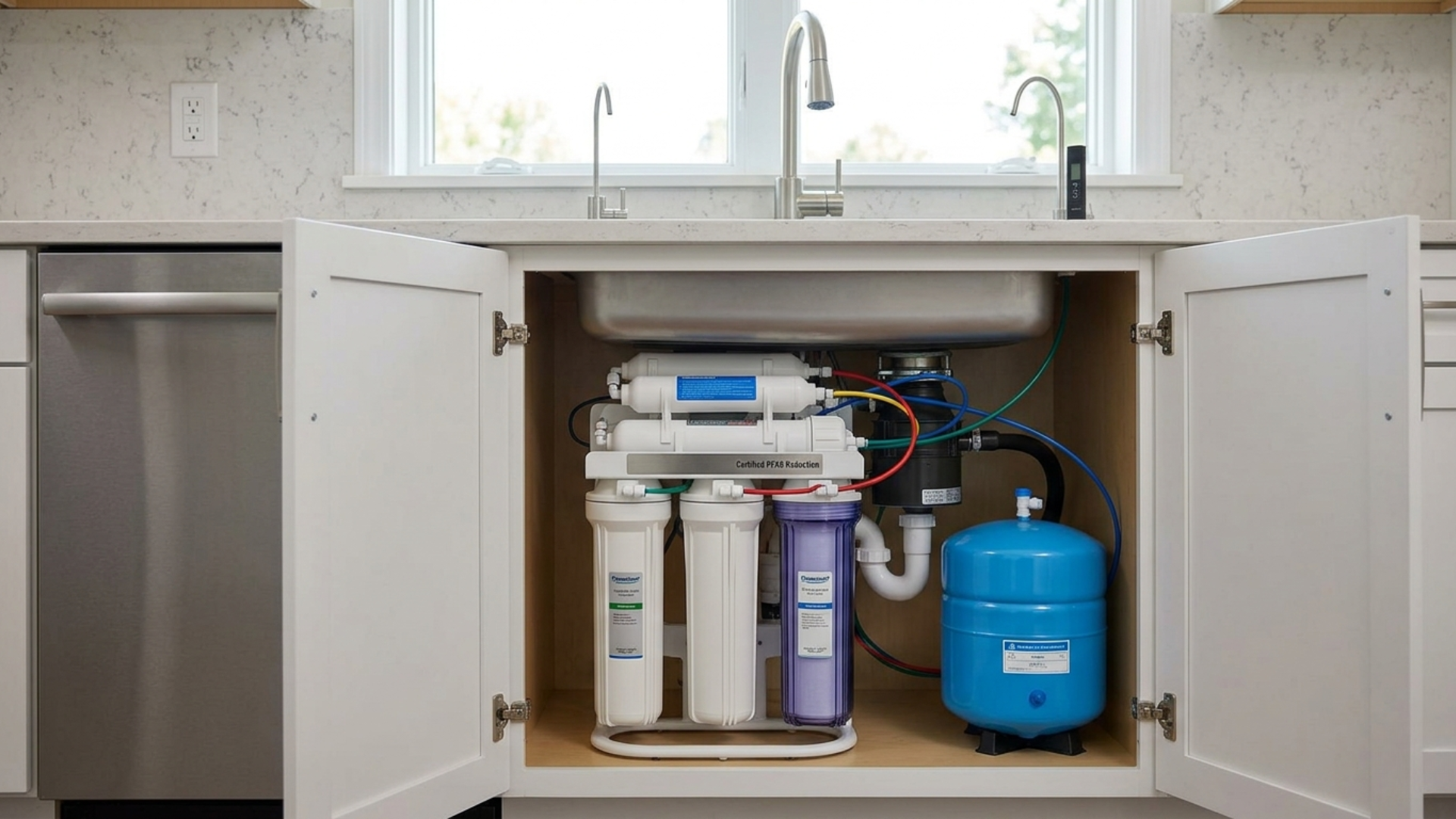
Reverse osmosis systems utilize a multi-stage process to deliver purified drinking water at your kitchen tap. Because each stage performs a distinct role, replacement schedules vary by component.
1. Pre-Filters (Sediment & Carbon Block): Every 6 to 12 Months
- Function: Sediment pre-filters trap physical debris, while carbon block pre-filters strip out harsh disinfectant chlorine before the water reaches the delicate RO membrane. Replacing pre-filters on time prevents chlorine degradation of the membrane.
2. The RO Membrane (Semi-Permeable): Every 2 to 3 Years
- Function: The semi-permeable membrane acts as the central engine of the system, rejecting contaminants at a molecular level. Third-party certified RO technology removes up to 99% of dissolved impurities, including nitrates, heavy metals, and “forever chemicals” like PFAS.
- Long Island Factor: Heavy mineral hardness and high TDS in Nassau and Suffolk groundwater can form scale deposits on the membrane if pre-treatment (such as a water softener) is absent or neglected, shortening membrane life.
3. Post-Carbon Polishing Filter: Every 12 Months
- Function: Located after the RO storage tank, the post-carbon polishing filter removes any lingering tastes or odors before water reaches your dedicated faucet.
To learn more about local groundwater challenges, explore our insights on Is Long Island Tap Water Really Safe to Drink? And read our breakdown on How PFAS is Linked to Cancer on Long Island.
Water Softener Maintenance: Salt Top-Offs & Resin Care
Softener Salt Top-Off Frequency: Check Monthly
Water softeners require sodium or potassium chloride pellets in the brine tank to initiate the regeneration cycle that strips hardness minerals from the resin.
- Monthly Check: Inspect your brine tank once a month. Refill the salt whenever the level drops below half-full or below the water line.
- Usage Factors: Salt usage increases during periods of high household water consumption, such as summer months with extra outdoor activity, frequent guest visits, and heavy laundry loads. Water hardness across Nassau and Suffolk County ranges from moderately hard to hard (7 to 12+ GPG), requiring consistent salt replenishment.
- Beware of Salt Bridges: High ambient humidity in basements or garages can cause salt pellets to fuse together, forming a hard crust (salt bridge) or a sludgy buildup (salt mushing) that prevents regeneration.
Softener Resin Bed Replacement: Every 10 to 15 Years
- Lifespan: Ion-exchange resin beads typically last 10 to 15 years. However, high municipal chlorine levels can oxidize and break down resin beads in as little as 5 to 7 years if a carbon pre-filter is not installed.
- Pro-Tip: Perform an annual resin restoration wash to strip away iron and manganese deposits common in Suffolk County private and municipal wells. For additional standards on managing scale and hardness, check guidelines from the Water Quality Association (WQA).
For more detailed information on hard water mitigation, review 5 Reasons to Get a Water Softening System on Long Island.
Quick Summary Maintenance Schedule
| System Component | Recommended Replacement Interval | Long Island-Specific Watch-Out |
| Sediment Pre-Filters | Every 6–12 Months | Heavy silt/rust from local water mains causing early pressure drop |
| Activated Carbon Filters | Every 6–12 Months | High seasonal chlorine dosing in municipal water reduces absorption capacity |
| RO Membrane (PFAS-Certified) | Every 2–3 Years | High TDS and hard water scaling without softener pre-treatment |
| RO Post-Polishing Filter | Every 12 Months | Stagnant taste or odor developing in the RO storage tank |
| Softener Salt | Check Monthly (Refill as needed) | High summer water demand increases salt burn rate |
| Softener Resin Bed | Every 10–15 Years | Chlorine degradation from unfiltered municipal tap water |
Signs You Shouldn’t Wait for the Schedule
If you observe any of the following warning signs, inspect your system immediately regardless of the calendar schedule:
- Taste or Odor Changes: Water tastes metallic, earthy, chemical, or sulfurous.
- Pressure Loss: Flow rate drops significantly at tap outlets or dedicated drinking spouts.
- Limescale Reappearance: White chalky buildup returns on faucets, shower doors, or glass dinnerware.
- Cloudy Ice: Refrigerator ice cubes turn cloudy or develop an off-flavor.
Take Control of Your Tap
In 2026, we have more data than ever before about what is lurking in the Long Island aquifer. We know the risks of PFAS, the seasonal challenges of hard water minerals, and the necessity of keeping filtration technology running at peak performance. You shouldn’t have to guess whether your filters are still doing their job or worry about tracking maintenance dates on a calendar. By maintaining a consistent service routine, you stop being a passive consumer of “allowable limits” and remain the active gatekeeper of your home’s water quality.
Ready to simplify your water maintenance? Contact us today to get started.
About Simply PURE Water Filtration Services
Living in and serving the Long Island community, we strive to make sure everyone has access to clean, healthy water. We have the experience, knowledge, and industry-leading technology to provide clean water solutions for water impurities, contaminants, hard water, bad tasting/odors, well water, acidity & pH regulations.
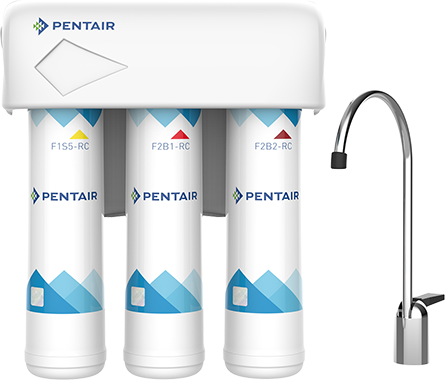
Proud members of the WQA (Water Quality Association), and the EWQA (Eastern Water Quality Association), we adhere to strict guidelines and the WQA code of ethics. As a Pentair True Blue Partner and Authorized Distributor of Pentair Products, there’s nothing comparable to the performance, and efficiency of our whole house purification systems, water softeners, neutralizers, whole-house filters, and alkaline reverse osmosis systems for drinking in the convenience of your home.
Our products are all NSF / ANSI certified, meeting the highest safety standards and quality performance. Providing our community with only the best experience of high quality water that’s Simply PURE from our family to yours!
Simply PURE utilizes accurate testing methods before and after system installation, as well as annual maintenance of all your water treatment equipment. Our Revolutionary Custom Built Water Treatment systems upon the completion of a Free In-Home Water Analysis, or an in-depth Comprehensive Water Analysis of your choice sent to our Certified Laboratory.