For years, Long Island residents have been told their tap water is “safe.” But growing scientific evidence suggests that PFAS often called “forever chemicals” may pose serious long-term health risks, including an increased risk of certain cancers. Over a million people on Long Island are currently consuming water with PFAS levels exceeding the EPA’s recommended health advisory standards.
What Are PFAS and How Did They End Up in Long Island’s Water?
PFAS (per- and polyfluoroalkyl substances) are a large group of man-made chemicals that have been used since the 1940s. They’re valued for being resistant to heat, water, and oil, which is exactly what makes them so persistent in the environment and the human body.
On Long Island, PFAS entered the groundwater through decades of industrial activity, firefighting foam use, and improper waste disposal. Because the island’s aquifer sits close to the surface and supplies nearly all drinking water, contaminants can spread easily and are extremely difficult to remove once introduced.
While PFAS exposure has been linked to several health concerns, one of the most alarming is its growing association with cancer.
The Scientific Link Between PFAS and Cancer
Over the past decade, PFAS has become a major focus of cancer research worldwide. Long-term exposure, even at relatively low levels, has been associated with increased cancer risk in multiple population studies.
The National Cancer Institute (NCI) identifies PFAS as an active area of cancer research, citing evidence that certain PFAS compounds are linked to cancer development, particularly when exposure occurs over many years through drinking water. IARC classified PFOA as carcinogenic to humans and PFOS as possibly carcinogenic, based on evidence linking exposure to several types of cancer.
These findings are particularly relevant for Long Island residents, where PFAS has been detected in groundwater and public water systems for years.
Cancers Linked to PFAS Exposure
National Cancer Institute (NCI) hasidentified several cancers that appear more frequently in populations with long-term PFAS exposure, especially through drinking water.
Kidney Cancer
Kidney cancer is one of the most consistently observed cancer types linked to PFAS exposure. Because PFAS circulate in the bloodstream and are filtered through the kidneys, long-term accumulation may increase cancer risk over time.
Testicular Cancer
Testicular cancer has been associated with exposure to PFOA, particularly in individuals with elevated PFAS levels in their blood.
Liver Cancer
PFAS tends to accumulate in the liver, where it may contribute to liver toxicity, chronic inflammation, and cellular changes that increase cancer risk.
Thyroid Cancer
PFAS can interfere with hormone regulation, including thyroid hormones, which may increase the risk of thyroid disease and thyroid cancer.
While PFAS exposure does not guarantee cancer development, the evidence shows a clear association between long-term exposure and increased risk, especially when exposure occurs daily through drinking water.
What Long Island Residents Can Do to Reduce PFAS Exposure
As federal and state agencies refine their approaches to PFAS regulation, water providers and residents on Long Island should continue to monitor developments and adjust accordingly. Simply PURE Water Filtration, Inc. is here to help, offering both free and paid water quality analyses to give you the best information about different contaminants lurking in Long Island water.
And when it comes to actually removing those contaminants, we have cutting-edge reverse osmosis technology. Reverse osmosis removes PFAS from water by using a semipermeable membrane with extremely small pores that trap PFAS molecules while allowing water molecules to pass through.
These systems are designed to effectively filter out PFAS and other nasty contaminants, ensuring that your water not only meets but exceeds safety standards. With Simply PURE Water Filtration, Inc., you can trust that your family is drinking clean, safe water right from your tap.
By taking these simple steps, you’ll not only improve your drinking water, but you’ll also make it more convenient, without needing to buy expensive bottled water on an ongoing basis! Follow us for more news on Long Island Water quality, and don’t forget to request a water quality analysis today.
About Simply PURE Water Filtration Services
Living in and serving the Long Island community, we strive to make sure everyone has access to clean, healthy water. We have the experience, knowledge, and industry-leading technology to provide clean water solutions for water impurities, contaminants, hard water, bad tasting/odors, well water, acidity & pH regulations.
Proud members of the WQA (Water Quality Association), and the EWQA (Eastern Water Quality Association), we adhere to strict guidelines and the WQA code of ethics. As a Pentair True Blue Partner and Authorized Distributor of Pentair Products, there’s nothing comparable to the performance, and efficiency of our whole house purification systems, water softeners, neutralizers, whole-house filters, and alkaline reverse osmosis systems for drinking in the convenience of your home.
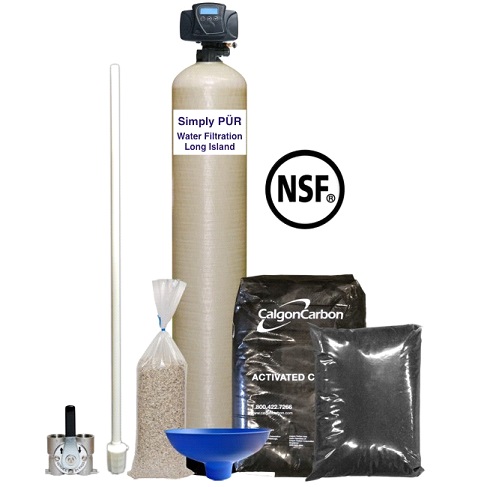
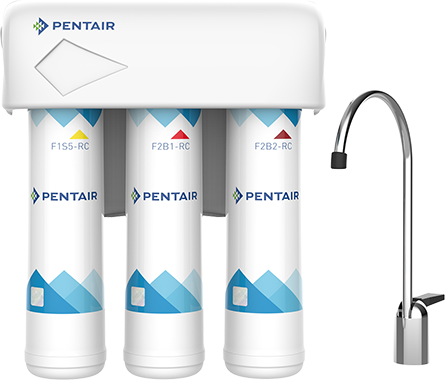
Our products are all NSF / ANSI certified, meeting the highest safety standards and quality performance. Providing our community with only the best experience of high quality water that’s Simply PURE from our family to yours!
Simply PURE utilizes accurate testing methods before and after system installation, as well as annual maintenance of all your water treatment equipment. Our Revolutionary Custom Built Water Treatment systems upon the completion of a Free In-Home Water Analysis, or an in-depth Comprehensive Water Analysis of your choice sent to our Certified Laboratory.