As we move through 2026, many of Long Island’s water providers continue to report that local tap water “meets or exceeds all federal and state standards.” While this statement is technically accurate, it doesn’t always tell the full story about Long Island water quality.
Regulatory standards define what is legally acceptable in drinking water, but they don’t always reflect what many residents consider truly clean or pure. As awareness of PFAS, nitrates, and other contaminants in Long Island groundwater continues to grow, more homeowners are taking a closer look at what’s actually coming out of their taps.
The “Compliance vs. Safety” Gap in Long Island Drinking Water
Long Island relies entirely on a Sole Source Aquifer, which supplies nearly all of the region’s drinking water. This underground aquifer is highly vulnerable to contamination because anything that seeps into the ground, such as industrial chemicals, lawn fertilizers, road runoff, or leaking septic systems, can eventually reach the groundwater supply.
Municipal water treatment systems work hard to keep drinking water within regulatory limits, but Long Island groundwater contamination remains an ongoing challenge. For many residents, meeting minimum compliance standards doesn’t necessarily provide the level of protection they want for their families.
This is one reason why home water filtration systems on Long Island have become increasingly common.
For our purposes today, let’s focus on a few of the biggest contaminants that are found in Long Island drinking water today: PFAS/PFOAs, nitrates, and industrial chemicals tied to the Grumman plume of the 1970s.
PFAS “Forever Chemicals” in Long Island Water
One of the most widely discussed drinking water concerns in recent years is PFAS contamination on Long Island.
PFAS (Per- and Polyfluoroalkyl Substances) are often referred to as “forever chemicals” because they do not easily break down in the environment or the human body. These chemicals were widely used in firefighting foam, industrial manufacturing, and consumer products such as non-stick cookware and stain-resistant fabrics.
Over time, PFAS entered groundwater systems across the United States, including many parts of Long Island. Studies have linked long-term PFAS exposure to a range of potential health concerns, including increased cancer risk, immune system effects, and hormonal disruption.
New York State has implemented stricter monitoring requirements for PFAS in drinking water, but their persistence means they can remain in groundwater for decades.
Nitrates and Seasonal Water Quality Changes
Not all drinking water concerns on Long Island come from industrial pollution. Some of the most common contaminants are actually linked to everyday suburban life.
Nitrates in Long Island groundwater often originate from fertilizers, lawn care chemicals, and failing septic systems. These substances release nitrogen that eventually filters into the aquifer.
Because of Long Island’s porous sandy soil, nitrates can move quickly through the ground and into drinking water supplies. Elevated nitrate levels are particularly concerning for infants and vulnerable populations, yet they can pass through many basic water filtration systems without being removed.
In some areas, seasonal factors such as rainfall and groundwater movement can also influence nitrate levels.
Trichloroethylene (TCE), Perchloroethylene (PCE), Chlorinated VOCs Tied to the Grumman Plume of the 1970s
For decades, the toxic groundwater plume beneath Bethpage has continued to move slowly through Long Island’s sole‑source aquifer, leaving a legacy of volatile organic compounds in local drinking water supplies. Regulators and investigators have documented elevated levels of industrial solvents such as trichloroethylene (TCE), perchloroethylene (PCE), and related breakdown products like vinyl chloride, along with a broader mix of chlorinated VOCs tied to historic Grumman and Navy manufacturing operations in the 1950s–1970s. Even where public wells now meet standards after treatment, utilities often rely on advanced systems like air stripping, granular activated carbon, and resin‑based adsorption to remove these contaminants before water reaches homes and businesses.
For Long Island residents, the Bethpage plume is a stark reminder that “legacy” pollution is still very present at the tap—and that proactive monitoring and robust treatment are essential to protect Long Island communities as this plume continues to migrate over time.
How Reverse Osmosis Water Filtration Helps Protect Long Island Homes
With multiple contaminants affecting groundwater, many residents are turning to advanced home water filtration systems on Long Island.
One of the most effective technologies for improving drinking water quality is reverse osmosis (RO) filtration. Reverse osmosis systems use a semi-permeable membrane to reduce many common contaminants found in tap water.
For households concerned about PFAS, dioxane, and other groundwater contaminants, reverse osmosis systems can provide an additional layer of protection at the point of use.
Protecting Yourself with Simply PURE
The presence of these contaminants in Long Island’s water supply highlights the need for advanced water filtration systems. Reverse osmosis (RO) filtration is one of the most effective methods for removing contaminants. At Simply PURE, we offer customized water purification solutions designed to address Long Island’s specific water quality challenges. Our systems ensure clean, safe water for drinking, cooking, and everyday use, giving you peace of mind.
Want to learn more? Contact us at Simply PURE Water Filtration to get your water analyzed and find out more about what’s in your water!
Sources:
About Simply PURE Water Filtration Services
Living in and serving the Long Island community, we strive to make sure everyone has access to clean, healthy water. We have the experience, knowledge, and industry-leading technology to provide clean water solutions for water impurities, contaminants, hard water, bad tasting/odors, well water, acidity & pH regulations.
Proud members of the WQA (Water Quality Association), and the EWQA (Eastern Water Quality Association), we adhere to strict guidelines and the WQA code of ethics. As a Pentair True Blue Partner and Authorized Distributor of Pentair Products, there’s nothing comparable to the performance, and efficiency of our whole house purification systems, water softeners, neutralizers, whole-house filters, and alkaline reverse osmosis systems for drinking in the convenience of your home.
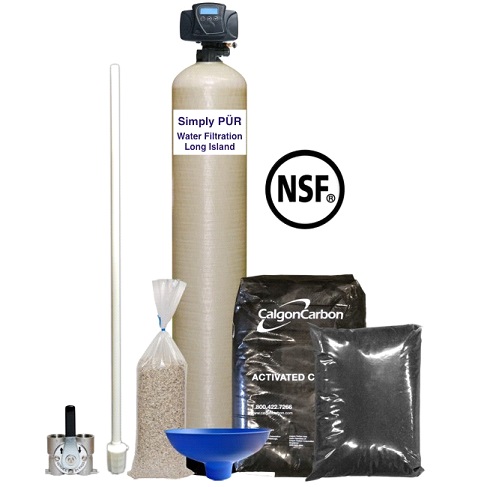
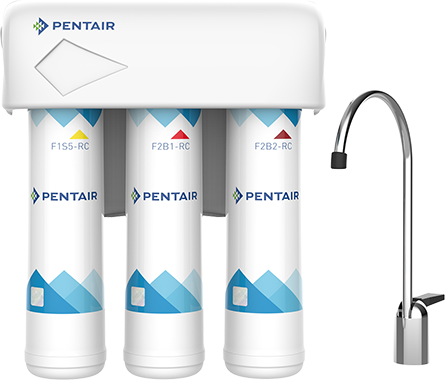
Our products are all NSF / ANSI certified, meeting the highest safety standards and quality performance. Providing our community with only the best experience of high quality water that’s Simply PURE from our family to yours!
Simply PURE utilizes accurate testing methods before and after system installation, as well as annual maintenance of all your water treatment equipment. Our Revolutionary Custom Built Water Treatment systems upon the completion of a Free In-Home Water Analysis, or an in-depth Comprehensive Water Analysis of your choice sent to our Certified Laboratory.