The short answer is yes, there is a noticeable difference, largely driven by contaminant levels and the infrastructure needed to treat them. While Long Island boasts a stunning natural environment, the quality of the tap water varies significantly depending on where you live.

Western Long Island: The Challenge of Emerging Contaminants

The western part of the island, particularly Nassau County, faces the steepest challenges in maintaining pristine drinking water. Historical industrial activity and higher population density have resulted in some of the most concerning contaminant detections on Long Island.

This region often contends with higher levels of specific emerging contaminants like PFAS (per- and polyfluoroalkyl substances) and 1,4-Dioxane. These chemicals, sometimes called “forever chemicals”, are notoriously difficult to remove using conventional treatment methods and have been linked to serious health concerns.

The challenge is amplified by updated federal standards. When the U.S. Environmental Protection Agency (EPA) recently lowered the Maximum Contaminant Levels (MCLs) for certain PFAS compounds to near-zero levels (4 parts per trillion), many water districts in Western Long Island were forced to accelerate costly, multi-year plans to install advanced filtration systems like Granular Activated Carbon (GAC) or Advanced Oxidation Process (AOP). For many systems, meeting these new, stricter federal guidelines presents a significant hurdle that requires massive infrastructure investment.

Eastern Long Island: Better, But Not Immune

As you move east, particularly into Suffolk County, drinking water quality is generally considered better. Data indicates that average contaminant detections, while present, are often lower than in the west. This improvement can be attributed to several factors, including lower population density and a less industrialized history.

However, even in the East End, the water supply remains highly vulnerable. The region still relies entirely on the same network of underground aquifers, which are susceptible to pollution from septic systems, agricultural runoff (pesticides/fertilizers), and legacy contamination.

For instance, the Suffolk County Water Authority (SCWA), a major provider in the area, has been proactive in installing extensive treatment systems to manage PFAS and other contaminants. While these efforts have allowed some providers to achieve compliance with federal standards ahead of schedule, the underlying groundwater risk remains the same across the entire island.

The Source We Share: Our Precious Aquifers

Regardless of whether you live in Nassau or Suffolk, the most crucial fact about your drinking water is this: Long Island’s only source of drinking water is its groundwater aquifers. Every drop of tap water comes from rain and snowmelt that percolates through the soil and into this vast, shared underground reservoir. This means the water in your tap is directly connected to the surface environment around you.

The aquifers are a magnificent, yet fragile, resource. Any pollutants introduced at the surface, from chemical spills and industrial waste to everyday contaminants like nitrogen from septic systems and lawn fertilizers, eventually flow down into the drinking water supply. Once contaminants enter the groundwater, they are extremely costly and challenging to remove. As The Nature Conservancy notes, these aquifers are “ours to protect.”

How Simply PURE Helps Long Island Residents

Given the varying and complex challenges, especially the widespread presence of emerging contaminants like PFAS, relying solely on municipal treatment may not be enough for your peace of mind. Reverse osmosis (RO) filtration is one of the most effective methods for removing contaminants. At Simply PURE, we offer customized water purification solutions designed to address Long Island’s specific water quality challenges. Our systems ensure clean, safe water for drinking, cooking, and everyday use, giving you peace of mind.

Want to learn more? Contact us at Simply PURE Water Filtration to get your water analyzed and find out more about what’s in your water!
Need a Water Filtration System for Your LI Home?

Fill in the details below and we’ll get back to you quickly.
Contact Us
Is There a Difference in Drinking Water Quality Across Long Island?

About Simply PURE Water Filtration Services

Living in and serving the Long Island community, we strive to make sure everyone has access to clean, healthy water. We have the experience, knowledge, and industry-leading technology to provide clean water solutions for water impurities, contaminants, hard water, bad tasting/odors, well water, acidity & pH regulations.

Proud members of the WQA (Water Quality Association), and the EWQA (Eastern Water Quality Association), we adhere to strict guidelines and the WQA code of ethics. As a Pentair True Blue Partner and Authorized Distributor of Pentair Products, there’s nothing comparable to the performance, and efficiency of our whole house purification systems, water softeners, neutralizers, whole-house filters, and alkaline reverse osmosis systems for drinking in the convenience of your home.
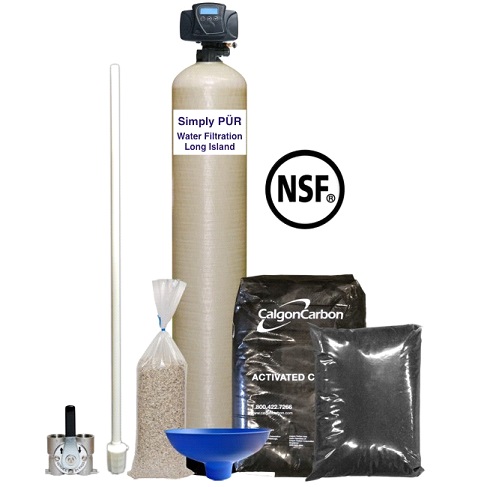
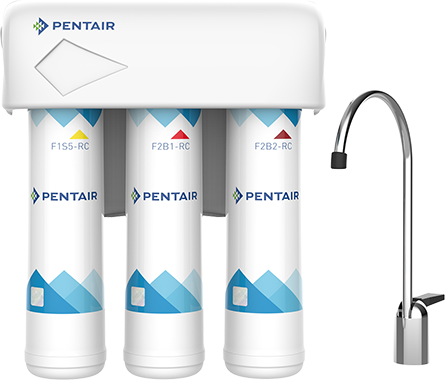
NSF Water Filtration System
Pentair Water Filtration System

Our products are all NSF / ANSI certified, meeting the highest safety standards and quality performance. Providing our community with only the best experience of high quality water that’s Simply PURE from our family to yours!

Simply PURE utilizes accurate testing methods before and after system installation, as well as annual maintenance of all your water treatment equipment. Our Revolutionary Custom Built Water Treatment systems upon the completion of a Free In-Home Water Analysis, or an in-depth Comprehensive Water Analysis of your choice sent to our Certified Laboratory.
Customers Frequently Ask..

The answer to this question depends on which kind of drinking water you’re talking about. There are multiple agencies responsible for regulating water quality in the U.S., and there are some who are more critical about the way it’s handled.

________________________________________

The Environmental Protection Agency (EPA) is in charge of overseeing the water that comes out of your tap. The U.S. Food and Drug Administration (FDA) oversees and regulates the quality of bottled water.

________________________________________

Individual states are responsible for regulating water that is bottled and sold within their borders. Finally, your municipality must make sure it is following federal and state standards regarding water quality.

________________________________________

The EPA does not regulate private wells, and rules for testing differ from state to state. In many cases, it is the homeowner’s responsibility to make sure their well water is safe.

Certain things can affect the flavor, odor, and appearance of your tap water, not all of them are necessarily harmful.

________________________________________

Many people with public water can taste the chlorine, although the most noticeable problems tend to come from private wells. Contaminants like sulfur can impact the smell, while iron will cause discoloration and staining.

________________________________________

The overall amount of total dissolved solids (TDS) in your tap water will definitely affect the taste, smell, and appearance. While many of these issues are not serious concerns, they can certainly be a nuisance. Water filtration systems, including a high-efficiency water softener to reduce hardness, can provide solutions.

This process is called “reverse” osmosis because the pressure forces the water to flow in the reverse direction (from the concentrated solution to the dilute solution) to the flow direction (from the dilute to the concentrated) in the process of natural osmosis. RO removes ionized salts, colloids, and organic molecules down to a molecular weight of 100.

________________________________________

You can get a whole-house RO, but more commonly, a point-of-use RO system would be on your countertop or installed under the sink. They’re great for treating water for cooking and drinking, but they don’t usually produce large amounts of treated water — more like 3 to 10 gallons a day. For that reason, typically people choose to install RO-treated faucets in the most popular areas of the home such as kitchens and bathrooms, as opposed to installing it for every drinking tap. Just like any other kind of filter technology, reverse osmosis systems require regular maintenance. That includes periodically replacing the unit’s prefilters, postfilters, and membrane modules.

Due to the media attention Flint, Michigan, received over its water crisis, a lot of people have questions about lead in public water systems around the U.S.

________________________________________

Lead (as well as copper) typically enters the public supply by leaching into water from corroded fixtures and outdated plumbing. Homes built before 1986 will likely have plumbing with copper pipes using solder that may contain lead.

________________________________________

Lead can cause serious negative health effects, especially in children. The challenge is that it is undetectable by human senses. You can check with your local water authority for information about lead levels, but it’s important to note that the CDC and EPA say there’s no level of lead recognized as safe for consumption.

________________________________________

If you have concerns about the presence of lead in your water, you can have it tested in a state-certified laboratory. You can also read more in our article on lead in drinking water.

Softening hard water can mitigate many of its objectionable effects. Water softening can be done either at point of entry or point of use. One of the unique advantages offered by point-of-use water softening is the opportunity for homemakers to have either hard or soft water for drinking. This choice is not available if the water supply is softened municipally. Hardness minerals can be reduced in water to make it “softer” by using one of three basic means:

  • Chemical softening—lime softening, hot and cold; lime-soda softening
  • Membrane separation softening—Nano filtration
  • Cation exchange softening—inorganic, carbonaceous, or organic base exchangers
  • Softening water for home needs is done almost exclusively through the use of cation exchange.

Contact Us - Lets Get In Touch!

Contact Us
Customer Testimonials

"Absolutely amazing service from beginning to end. Trustworthy and reliable to work with. And the water taste!! It’s incredible the difference after we installed our water filtration system throughout our house. Also knowing my kids are drinking the purest of water is the biggest game changer. I would absolutely recommend Vinny and staff."

Randi Demetriou 

"We had a recent installation done by Vinny at Simply PURE and we couldn’t be happier. Vinny is reputable, reliable, efficient and the service is great. The water is so clean and tastes great, we don’t have to think twice about what is coming out of our faucet! Thank you Vinny!

Mike D.