When it comes to Long Island’s drinking water, nitrates are a year-round concern, but they’re especially problematic during the winter and early spring. Groundwater aquifers, the sole source of drinking water for Nassau and Suffolk Counties, are increasingly contaminated by nitrates originating from various sources including cesspools, septic systems, fertilizers, and airborne pollutants.
What Are Nitrates & Why They’re a Problem
While many residents only think about water quality in the summertime, the truth is that cold-season recharge from rain and snowmelt creates the perfect storm for nitrate pollution to peak. Understanding why this happens (and how to protect your home) is key to keeping your family’s water safe.
Nitrates are a compound of nitrogen and oxygen that occurs naturally in soil and water. At safe levels, they don’t pose a major risk. The problem begins when too much nitrogen enters the environment, most often from:
- Sanitary Wastewater Treatment Plants: With nearly nine million people living within the watershed, sanitary wastewater treatment plants are considered one of the primary sources of nitrogen in Long Island Sound.
- Fertilizers: Used extensively in agriculture and residential landscaping, fertilizers often contain nitrates that leach into groundwater.
- Cesspools and Septic Systems: These systems contribute nitrates and other contaminants, such as household chemicals and pharmaceuticals.
- Air Pollutants: Vehicle exhaust and industrial emissions are also considered contributors to the nitrate pollution in Long Island.
Once in the ground, nitrates seep into Long Island’s aquifers, the sole source of drinking water for nearly 3 million residents. High nitrate levels are linked to serious health issues, especially for infants, pregnant women, and people with compromised health. Elevated nitrate exposure is associated with blue baby syndrome (methemoglobinemia), potential cancer risks, and long-term impacts on ecosystems like Long Island Sound.
Why Nitrates Peak in Winter on Long Island
Nitrate pollution in Long Island’s groundwater isn’t static; it follows a seasonal pattern. According to the U.S. Geological Survey, nitrogen loads in Long Island aquifers:
- Peak in winter and early spring
- Reach their lowest levels in late summer
Why the difference? It all comes down to groundwater recharge and flow patterns.
- Winter & early spring: Rainfall and snowmelt seep into the soil, flushing nitrogen from septic systems, fertilizers, and other sources into the aquifer. Because groundwater flow is faster during this period, nitrate loads respond quickly to land-based nitrogen inputs. This means higher concentrations make their way into the drinking water supply and eventually discharge into Long Island Sound.
- Summer & early fall: Groundwater travel times are longer and recharge is slower, so nitrogen inputs take more time to move through the aquifer system. Nitrate levels may still rise, but the peak loads are less pronounced compared to winter.
In short, cold months are the worst months for nitrate pollution. While many residents think water quality risks are highest during summer lawn care season, the science shows winter is when Long Island’s aquifers feel the heaviest hit.
Simply PURE Helps with Ridding Nitrates in Water Through Reverse Osmosis
Reverse osmosis (RO) systems offer an effective solution to remove nitrates and other contaminants from drinking water:
- Effectiveness: They can achieve high removal rates, typically eliminating 95% or more of nitrates from water.
- Mechanism: RO systems use a semipermeable membrane to selectively filter out nitrates and other impurities from water.
- Maintenance: Regular monitoring and maintenance of RO systems are essential to sustain their effectiveness over time.
- Additional Benefits: Some advanced RO systems include stages for further purification, ensuring clean and safe drinking water.
At Simply PURE Water Filtration, we offer advanced reverse osmosis (RO) systems that will remove dangerous contaminants from your water and make sure it’s healthy, safe, and great tasting.
Concerned about nitrate pollution or other contaminants in your water?
Take the first step today and request a free water quality analysis from us. By addressing the sources of nitrate pollution and embracing effective solutions like RO systems, Simply PURE can ensure that you and your family will continue to enjoy clean and sustainable drinking water, wherever you live on Long Island.
About Simply PURE Water Filtration Services
Living in and serving the Long Island community, we strive to make sure everyone has access to clean, healthy water. We have the experience, knowledge, and industry-leading technology to provide clean water solutions for water impurities, contaminants, hard water, bad tasting/odors, well water, acidity & pH regulations.
Proud members of the WQA (Water Quality Association), and the EWQA (Eastern Water Quality Association), we adhere to strict guidelines and the WQA code of ethics. As a Pentair True Blue Partner and Authorized Distributor of Pentair Products, there’s nothing comparable to the performance, and efficiency of our whole house purification systems, water softeners, neutralizers, whole-house filters, and alkaline reverse osmosis systems for drinking in the convenience of your home.
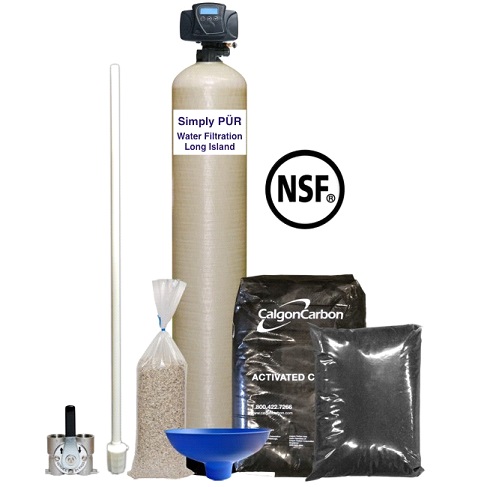
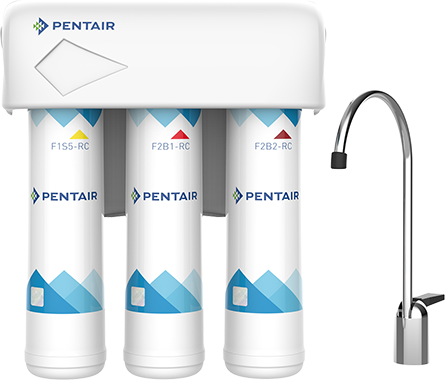
Our products are all NSF / ANSI certified, meeting the highest safety standards and quality performance. Providing our community with only the best experience of high quality water that’s Simply PURE from our family to yours!
Simply PURE utilizes accurate testing methods before and after system installation, as well as annual maintenance of all your water treatment equipment. Our Revolutionary Custom Built Water Treatment systems upon the completion of a Free In-Home Water Analysis, or an in-depth Comprehensive Water Analysis of your choice sent to our Certified Laboratory.