The holiday decorations are up, the heat is cranking, and the heavy coats are officially out of storage. Winter has settled into Long Island, bringing familiar seasonal struggles: dry air, frigid mornings, and spiking utility bills.
Most homeowners have already winterized their gardens and serviced their boilers. But as we settle into the coldest months of the year, one critical home system often gets overlooked: your water supply.
While Long Island water is naturally “hard” year-round, often containing high levels of calcium and magnesium, the negative effects of that hardness are amplified during winter. If you’ve been debating an upgrade, there is no better time than right now.
Here are three reasons why installing a water softener is your best defense against the harsh winter season.
1. Combat the “Winter Itch” (Skin & Hair Health)
We often blame the biting wind or dry indoor heating for itchy, flaky skin in December and January. While the dry air plays a role, the water you shower in is often the real culprit.
Hard water contains dissolved minerals that react with soap to form a “curd” or film that doesn’t rinse away easily. This invisible residue clogs your pores and prevents your body’s natural oils from moisturizing your skin. When you combine this with low winter humidity, the result is the dreaded “winter itch” with tight, cracked, and irritated skin.
According to the U.S. Geological Survey (USGS), water hardness is defined by its calcium and carbonate makeup, which notoriously prevents soap from lathering and rinsing effectively. By installing a water softener, you remove these minerals, allowing soap to wash away completely. This helps your skin retain moisture when it needs it most.
2. Protect Your Winter Wardrobe Investment
Winter clothes are an investment. From heavy wool sweaters to thermal layers and expensive scarves, you want these fabrics to last more than one season.
Unfortunately, washing these items in hard water can ruin them. The mineral buildup in the water acts like sandpaper on a microscopic level, causing fibers to stiffen, break, and fade prematurely. A scratchy wool sweater is uncomfortable enough; a scratchy and stiff wool sweater is unwearable.
Research supported by the Water Quality Association (WQA) indicates that soft water cleans fabrics more effectively while using significantly less detergent and lower water temperatures. Soft water keeps fibers fluffy and intact, ensuring your warmest clothes stay comfortable and insulating for years to come.
3. Lower Heating Bills & Protect Your Boiler
Your water heater works its hardest during the winter. The groundwater entering your home from outside is significantly colder than it is in July, meaning your boiler has to burn more energy just to reach your desired temperature.
If you have hard water, this process is even more expensive. When hard water is heated, the minerals precipitate out and form limescale on the heating elements of your boiler or water heater.
The U.S. Department of Energy highlights that scaling and sediment buildup can reduce the efficiency of water heaters, forcing them to run longer to heat the same amount of water. In a region like Long Island, where energy costs are already high, a scale-free water heater can mean noticeable savings on your monthly bill.
Why This Matters for Long Island
These winter-specific benefits are just the tip of the iceberg. The mineral content in Nassau and Suffolk County water affects your home’s plumbing, drinking water taste, and cleaning routines every single day of the year.
For a comprehensive look at how local water quality impacts your daily life year-round, read our guide on 5 Reasons to Get a Water Softening System on Long Island.
Don’t Wait for the Spring Thaw
You don’t have to suffer through the rest of the season with itchy skin, scratchy towels, and an overworked water heater. Transform your daily life by installing our Simply PURE Whole House Water Softening System in your Long Island home. When you do, you’ll be able to effectively tackle the detrimental effects of hard water, addressing concerns related to skin and hair health, pipe and appliance maintenance, and overall water quality. By opting for these cutting-edge systems, you can create a more comfortable and efficient living environment, offering a comprehensive solution to the challenges posed by hard water. Contact us today and ask about our free water quality analysis to get started.
About Simply PURE Water Filtration Services
Living in and serving the Long Island community, we strive to make sure everyone has access to clean, healthy water. We have the experience, knowledge, and industry-leading technology to provide clean water solutions for water impurities, contaminants, hard water, bad tasting/odors, well water, acidity & pH regulations.
Proud members of the WQA (Water Quality Association), and the EWQA (Eastern Water Quality Association), we adhere to strict guidelines and the WQA code of ethics. As a Pentair True Blue Partner and Authorized Distributor of Pentair Products, there’s nothing comparable to the performance, and efficiency of our whole house purification systems, water softeners, neutralizers, whole-house filters, and alkaline reverse osmosis systems for drinking in the convenience of your home.
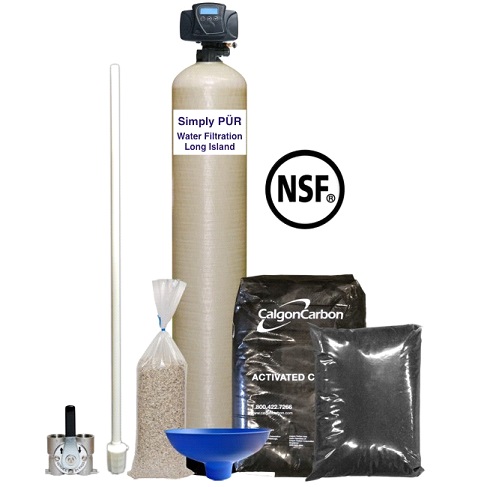
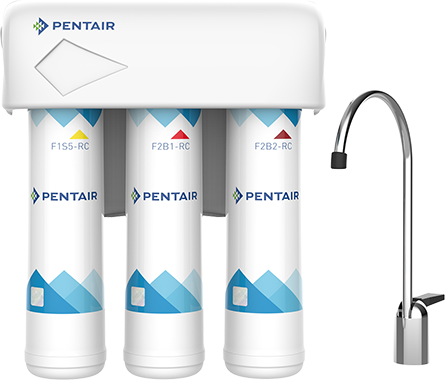
Our products are all NSF / ANSI certified, meeting the highest safety standards and quality performance. Providing our community with only the best experience of high quality water that’s Simply PURE from our family to yours!
Simply PURE utilizes accurate testing methods before and after system installation, as well as annual maintenance of all your water treatment equipment. Our Revolutionary Custom Built Water Treatment systems upon the completion of a Free In-Home Water Analysis, or an in-depth Comprehensive Water Analysis of your choice sent to our Certified Laboratory.