While the raw drinking water quality from Long Island’s underground aquifers remains stable throughout the year, the arrival of summer triggers drastic operational, structural, and pressure-related changes across the water supply network. The water system is not a single pipeline, but a complex web of underground aquifers, aging infrastructure, and coastal ecosystems.
When temperatures climb, this fragile system faces an extraordinary amount of stress. Understanding what happens behind the scenes explains why your water pressure fluctuates in June, July, and August, and highlights why a home water purification strategy is vital during peak demand months.
The Summer Strain: 4 Core Challenges
1. Massive Demand Spikes
During the winter, water usage on Long Island remains relatively predictable. In the summer, water consumption skyrockets by 300% to 400%. This massive surge is almost entirely driven by outdoor activities, specifically automated lawn irrigation systems, golf courses, garden watering, and filling swimming pools.
The energy required to pump and treat hundreds of thousands of gallons per minute from deep underground makes the water supply industry the largest single consumer of electricity on Long Island during the summer season. Power companies are even forced to build extra electricity capacity just to meet this peak summer demand.
2. Localized Drops in Water Pressure
When thousands of automated sprinkler systems turn on simultaneously in the early morning hours, it severely overtaxes the localized distribution grid. This excessive, synchronized withdrawal empties localized water storage tanks faster than they can refill.
The result is a noticeable drop in home water pressure. More critically, according to articles published by Water for Long Island, East End fire departments have warned that water pressure frequently drops to dangerous levels during peak hours, limiting their ability to respond to potential emergencies.
3. Enforced Watering Restrictions
To prevent total system depletion and ensure fire safety, local water districts enforce mandatory conservation rules. Major municipal suppliers strictly enforce odd/even watering schedules tied to street addresses.
Furthermore, during hot seasons, agencies issue emergency warnings recommending that residents stop irrigating lawns during peak hours, typically between midnight and 7:00 a.m., or during the day when evaporation rates are highest. In severe periods, water authorities have hinted that all lawn irrigation may eventually have to end to preserve the grid.
4. Environmental Pressures & Saltwater Intrusion
The environmental toll of summer over-pumping is heavy. Long Island residents do not have access to drinkable surface water, making the population entirely dependent on underground aquifers. Drawing immense volumes of water lowers the overall water table and causes chronic water depletion.
In coastal communities, this excessive pumping pulls dense, salty ocean water inland into the freshwater aquifers. This process of saltwater intrusion has already forced the shutdown and abandonment of several public-supply wells on Long Island because total water loss regularly exceeds annual recharge, making it critical to understand the increasing threat of saltwater intrusion on Long Island.
Additionally, summer heat waves increase the vulnerability of bays and the Long Island Sound to nitrogen pollution and toxic algal blooms, though this primarily impacts recreational waters rather than your treated municipal tap water.
The Defense Strategy: Reverse Osmosis for Summer Water Security
As municipal infrastructure is pushed to its absolute operating limits every summer, the water traveling through miles of strained mains can pick up sediment, trace minerals, and varying chemical concentrations. Furthermore, as discussed in Change Hampton’s water security overview, Long Island has historically had cheap drinking water because the groundwater required little treatment. Today, truly clean groundwater is hard to find. Water suppliers are spending hundreds of millions of dollars to install complex filtration systems to manage emerging contaminants like PFAS, passing those massive costs onto consumers through rising water bills.
The most effective line of defense for your home is a Reverse Osmosis (RO) water purification system.
How RO Fights Summer Contaminants
- Defeats Encroaching Salinity: Reverse osmosis technology removes dissolved salts, sodium, and chloride ions resulting from coastal aquifer strain and saltwater intrusion. This restores a crisp, pure taste to your drinking water.
- Filters Year-Round Pollutants: Beyond summer-specific salinity issues, a multi-stage RO system acts as an impenetrable barrier against Long Island’s legacy groundwater contaminants. This includes heavy metals, nitrates from unsewered areas, and toxic forever chemicals like PFAS.
- Consistent Quality Disconnected from Grid Stress: While your municipal water pressure and localized chemistry fluctuate based on your neighbors’ sprinkler habits, an under-sink or whole-house RO system ensures that the water your family drinks, cooks with, and utilizes stays flawlessly consistent, clear, and safe.
Do not let seasonal grid stress or aquifer depletion dictate the purity of your home’s tap water. Installing a premium reverse osmosis system provides your household with independent, high-grade filtration exactly when the Long Island environment undergoes its toughest annual test.
At Simply PURE, we offer customized water purification solutions designed to address Long Island’s unique water quality challenges. Our systems help homeowners reduce exposure to contaminants and improve the quality of water used for drinking, cooking, and everyday use.
Want to learn more? Contact Simply PURE Water Filtration to schedule a water analysis and better understand what may be present in your home’s water supply.
Sources
- Change Hampton. Water quality is the most essential resource we have. https://www.changehampton.org/project/water-quality-is-the-most-essential-resource-we-have/
- Citizens Campaign for the Environment. (2026, April 13). Long Island’s fragile drinking water system. https://www.citizenscampaign.org/whats-new-at-cce/2026/4/13/long-islands-fragile-drinking-water-system
- Water for Long Island. Editorials. http://www.waterforlongisland.org/editorials.html
- Water for Long Islan. Essential information. http://www.waterforlongisland.org/essential-information.html
About Simply PURE Water Filtration Services
Living in and serving the Long Island community, we strive to make sure everyone has access to clean, healthy water. We have the experience, knowledge, and industry-leading technology to provide clean water solutions for water impurities, contaminants, hard water, bad tasting/odors, well water, acidity & pH regulations.
Proud members of the WQA (Water Quality Association), and the EWQA (Eastern Water Quality Association), we adhere to strict guidelines and the WQA code of ethics. As a Pentair True Blue Partner and Authorized Distributor of Pentair Products, there’s nothing comparable to the performance, and efficiency of our whole house purification systems, water softeners, neutralizers, whole-house filters, and alkaline reverse osmosis systems for drinking in the convenience of your home.
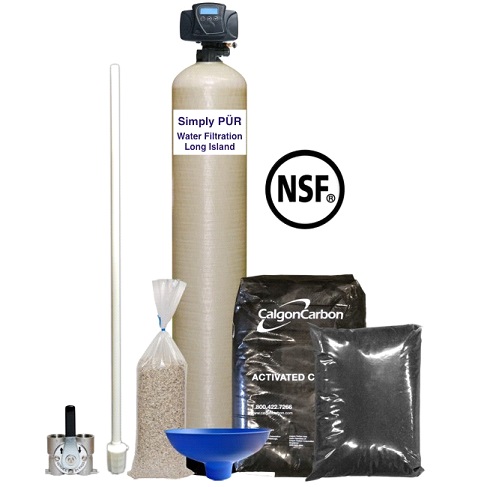
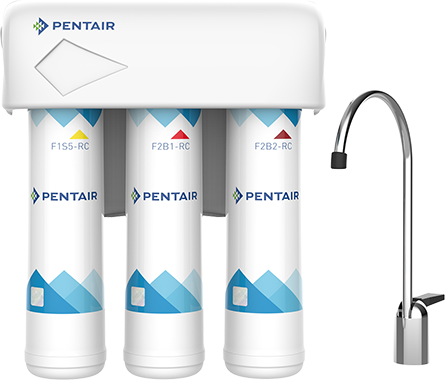
Our products are all NSF / ANSI certified, meeting the highest safety standards and quality performance. Providing our community with only the best experience of high quality water that’s Simply PURE from our family to yours!
Simply PURE utilizes accurate testing methods before and after system installation, as well as annual maintenance of all your water treatment equipment. Our Revolutionary Custom Built Water Treatment systems upon the completion of a Free In-Home Water Analysis, or an in-depth Comprehensive Water Analysis of your choice sent to our Certified Laboratory.