
How PFAS Is Linked to Cancer on Long Island
For years, Long Island residents have been told their tap water is “safe.” But growing scientific evidence suggests that PFAS often called “forever chemicals” may pose serious long-term health
Living on Long Island means being particularly mindful of our water quality. Long Island’s unique geography, with its sandy soil and reliance on a sole-source aquifer, makes the drinking
Long Island’s communities relying on both municipal systems and private wells face persistent contamination challenges. The island’s porous soils and aquifer-based water supply make it especially vulnerable. Here are
In recent years, PFAS (per- and polyfluoroalkyl substances) have become a major focus in national and local conversations about drinking water quality. These chemicals, commonly referred to as “forever
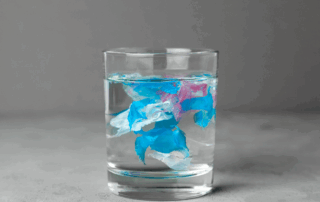
Microplastics, tiny plastic particles (many of which are so small they can’t be seen by the naked eye)—have become a pervasive contaminant in water sources worldwide. You may have heard
Long Island has long been synonymous with poor water quality, primarily due to its reliance on groundwater as the primary source. Groundwater is particularly susceptible to contamination from human-made
Access to clean, safe drinking water is essential for every household. Long Island’s 2.8 million residents rely entirely on groundwater aquifers for their drinking water. These aquifers are highly
Long Island residents are facing a growing concern over the presence of PFAS in their water supply. These chemicals, also known as "forever chemicals" due to their persistence in
Way back in 2019, a New York Public Interest Research Group analysis of EPA data found that Long Island had the most contaminated drinking water in the state. And