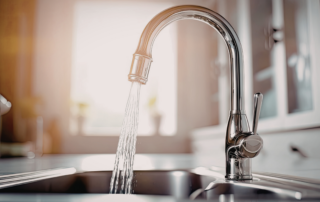
Is Long Island Tap Water Really Safe to Drink?
As we move through 2026, many of Long Island’s water providers continue to report that local tap water “meets or exceeds all federal and state standards.” While this statement is
As we move through 2026, many of Long Island’s water providers continue to report that local tap water “meets or exceeds all federal and state standards.” While this statement is
For years, Long Island residents have been told their tap water is “safe.” But growing scientific evidence suggests that PFAS often called “forever chemicals” may pose serious long-term health
The holiday decorations are up, the heat is cranking, and the heavy coats are officially out of storage. Winter has settled into Long Island, bringing familiar seasonal struggles: dry
The short answer is yes, there is a noticeable difference, largely driven by contaminant levels and the infrastructure needed to treat them. While Long Island boasts a stunning natural
Living on Long Island means being particularly mindful of our water quality. Long Island’s unique geography, with its sandy soil and reliance on a sole-source aquifer, makes the drinking
When it comes to Long Island’s drinking water, nitrates are a year-round concern, but they’re especially problematic during the winter and early spring. Groundwater aquifers, the sole source of
Long Island’s communities relying on both municipal systems and private wells face persistent contamination challenges. The island’s porous soils and aquifer-based water supply make it especially vulnerable. Here are
In recent years, PFAS (per- and polyfluoroalkyl substances) have become a major focus in national and local conversations about drinking water quality. These chemicals, commonly referred to as “forever
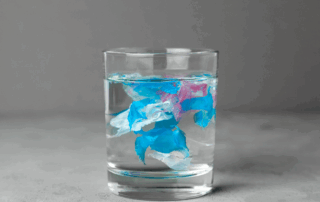
Microplastics, tiny plastic particles (many of which are so small they can’t be seen by the naked eye)—have become a pervasive contaminant in water sources worldwide. You may have heard
Ensuring access to clean and safe drinking water is a priority for many Long Island residents. With concerns about local water quality, installing a reverse osmosis (RO) system in
Copyright © 2026 • Simply PURE • All Rights Reserved • We want all users to have a great experience on our website. If you are having trouble with understanding any portion of this website please call us at (631) 750-3455.